
Is tomorrow worth going?
One score, 0 to 100, for whether a fishing trip in Washington is worth taking, built from the weather, the fish, the season and the water. And when the engine can’t tell, it says so.
Scored, then fished
All field notesWhat the engine called before the trip, and what the water did about it.

A hundred points, three questions.
Every trip gets scored against the same three questions. The weights aren’t arbitrary: they’re the engine’s actual point allocation.
Is the trip worth taking?
Whether the fish are there, whether the water has a history of producing, whether the season is timed right, and what the weather is about to do.
Can you actually fish it?
A perfect bite you can’t launch into is worth nothing. Crowding, ramp conditions, and how hard the day will be on you and the boat.
Does it fit what you asked for?
When the engine proposes trips, how close each one comes to the water, species, time and platform you asked for. When you name the trip yourself, it fits by definition, and this part drops out.
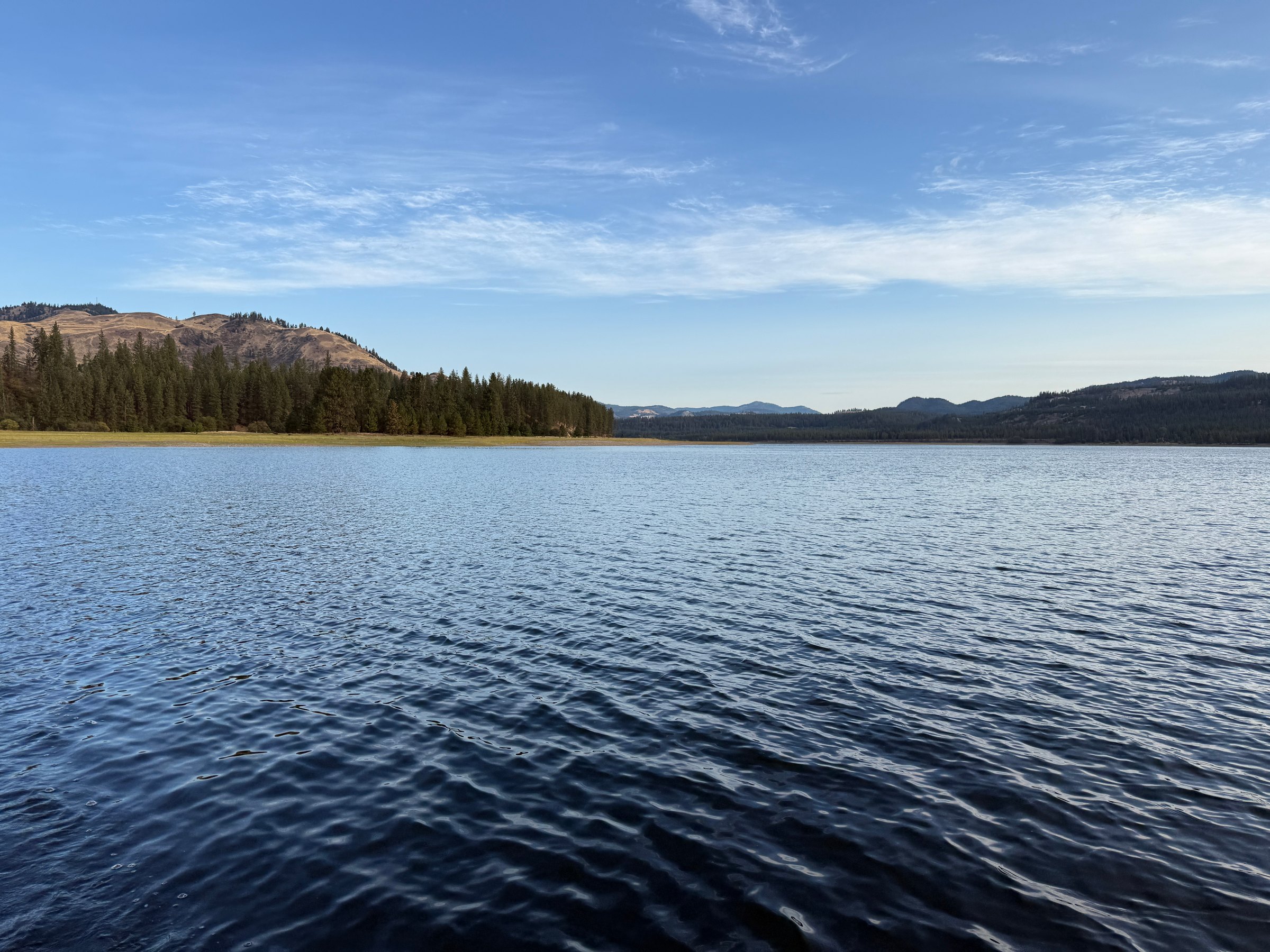
Two things can overrule a good score outright. If the air quality is hazardous, or the conditions are genuinely dangerous, the engine returns Wait no matter how well the day scored. A 27-mile lake full of hungry smallmouth is still a no in a 35-mph gust.
Every score starts as a real day on the water.
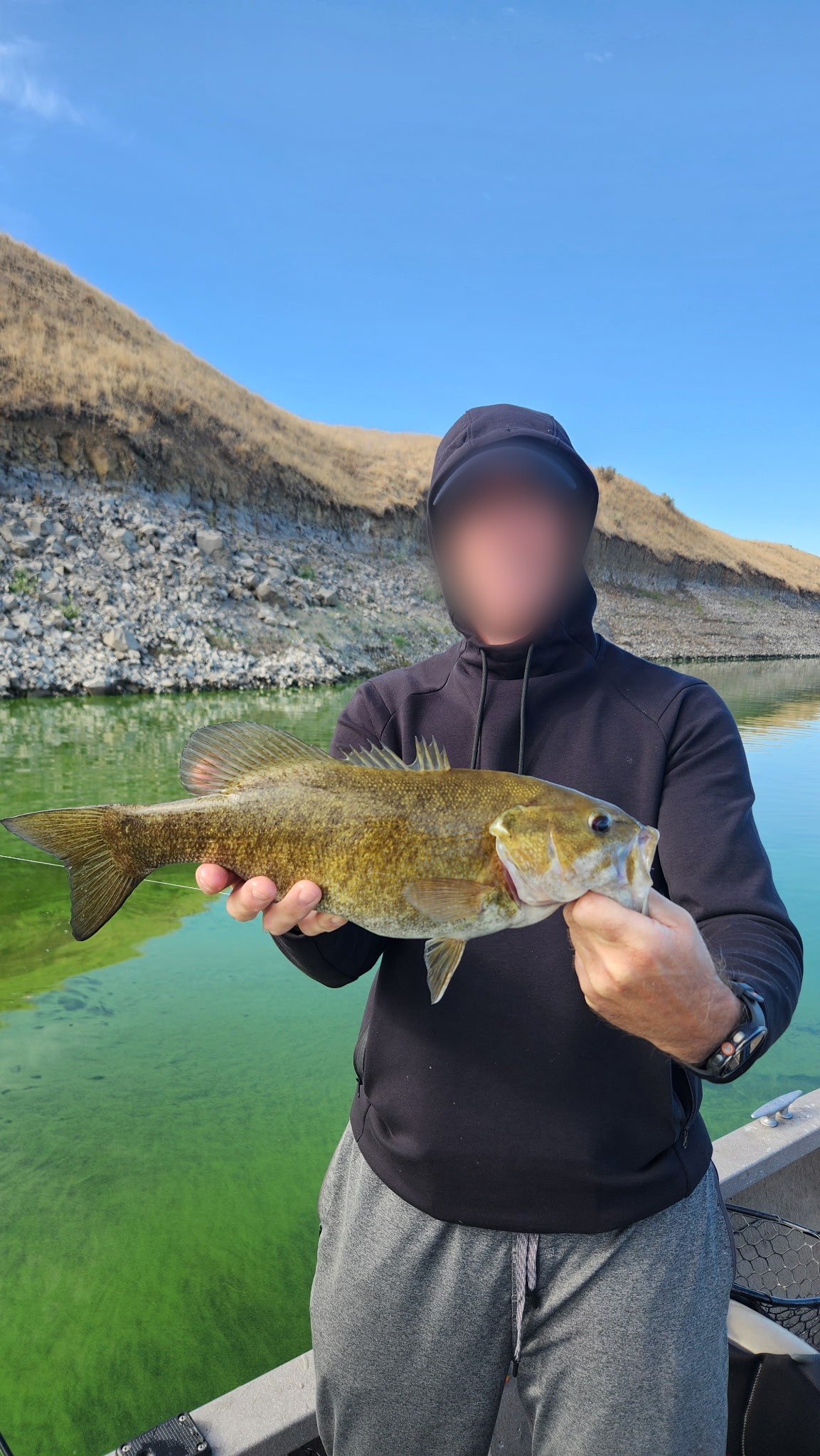
The engine isn’t a lab project. It’s built from trips taken across the Columbia Basin, Puget Sound, and the coast: logged, scored, and checked against what actually happened. Videos when there are videos.